Noticeable thinning and color changes
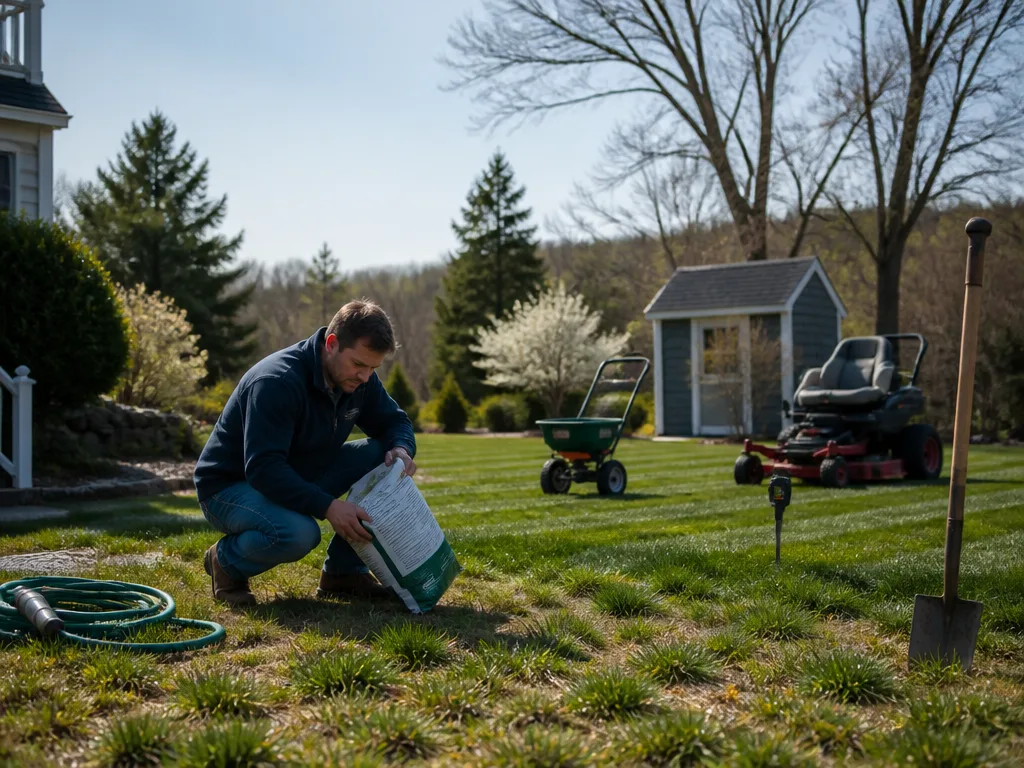
In Massachusetts yards, a lawn that turns pale or develops patchy thinning is often a sign something is off. Our team sees areas where grass loses its deep green color and grows sparse blades. This can be caused by soil compaction, poor drainage, or nutrient imbalances. A lawn care specialist will check soil health, moisture levels, and root activity to pinpoint the cause and suggest a practical plan for recovery across Massachusetts.
Another common symptom is uneven growth that creates small islands of dense turf surrounded by lighter, stressed areas. This contrast points to deeper issues like soil compaction from foot traffic or lawn equipment, or thatch buildup that blocks water and air from reaching roots. Addressing these signals early helps your Massachusetts lawn rebound faster.
Uneven mowing patterns and mowing-related stress
Homeowners in Massachusetts often notice that mowing at the wrong height or cutting damp turf leaves the lawn stressed. Our crews in every Massachusetts metro see this issue when the blade height is too low or mowing is done with wet grass. The result is a ragged appearance, scalping patches, and a lawn that stays stressed after each cut. The fix is simple: adjust mowing height to seasonal needs and sharpen blades for clean cuts.
Another stress signal is frequent wheel tracks or mower ruts that compact soil. Over time this makes irrigation uneven and roots struggle for oxygen. A lawn care specialist will recommend adjusting mowing schedules to reduce stress and, if needed, a light dethatching and aeration plan to refresh the root zone across Massachusetts.
Soil and drainage cues
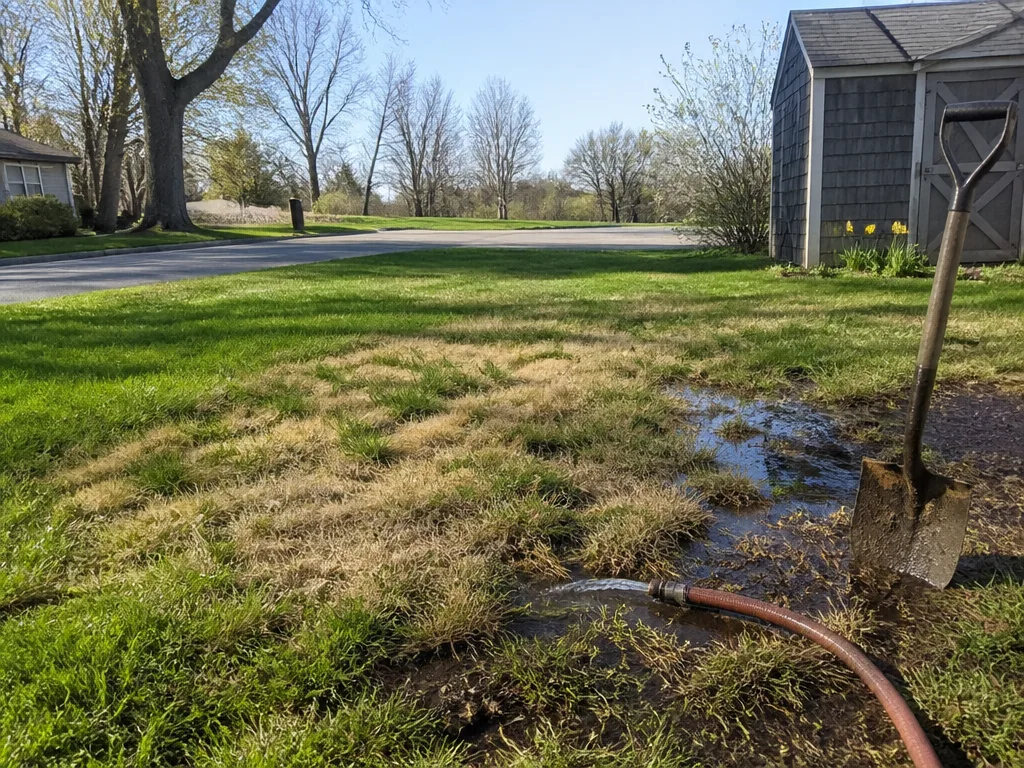
Water pooling after rain or heavy irrigation is a red flag in many Massachusetts yards. Persistent puddles indicate drainage problems or soil that can’t absorb water quickly enough. When this happens, grass roots suffocate and you’ll see patchy growth along low spots. Our team assesses soil texture, drainage patterns, and compaction; then we tailor a plan that improves infiltration and supports healthier turf across Massachusetts.
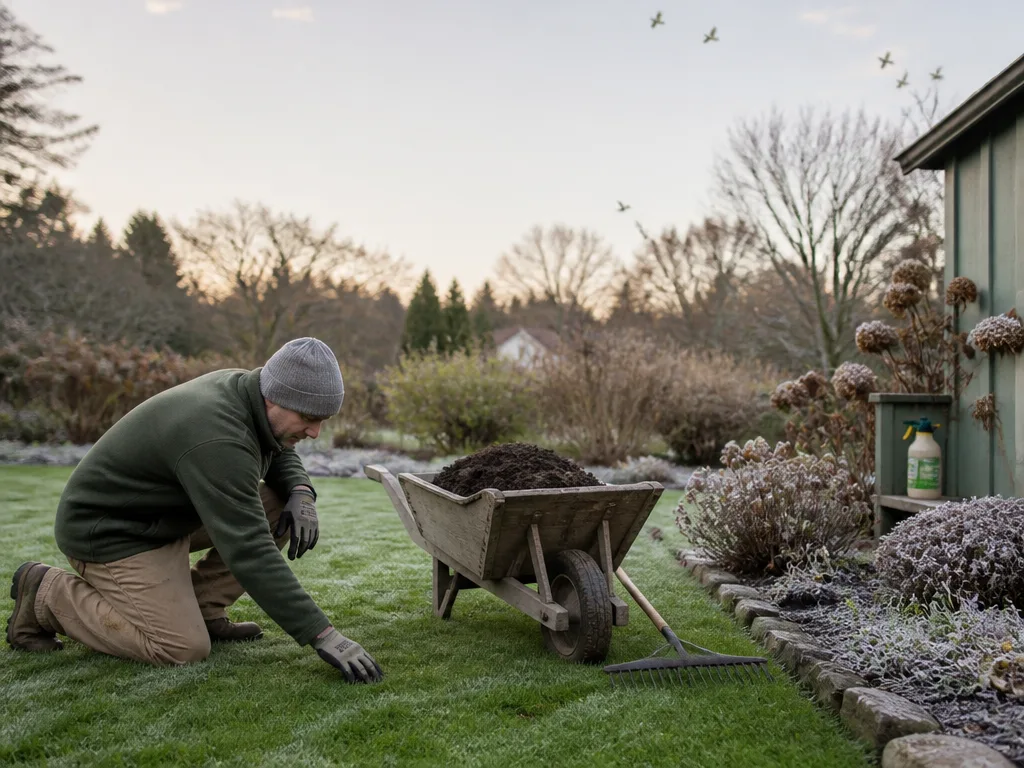
Another clue is soil pH that skews too acidic or too alkaline for the grass variety you have. A simple soil test gives us the baseline, and we adjust with practical amendments. The goal is a balanced soil that lets nutrients move to roots efficiently, keeping your Massachusetts lawn strong through every season.
What to do next
If you spot these warning signs, schedule a no-pressure evaluation with a lawn care specialist from Massachusetts Crane-Assisted Tree Removal. We’ll walk your yard, explain what we see, and outline practical steps you can take now and in the coming months to protect your turf across Massachusetts.